
How to Spot Quality on Discount Sites
Table of Contents
- Examine Material Composition and Fabric Quality
- How to Spot Fake Reviews on Shopping Sites
- Verify Price History and Check for Inflated MSRP
- Analyze Product Descriptions and Specifications
- How to Read Return Policies for Discount Items
- Recognize Poor vs. Good Construction in Clothing
- Tips for Saving Money on Groceries and Household Essentials
- Identify Fake Discount Sites and Scams
Last Updated: August 22, 2026
Examine Material Composition and Fabric Quality
Check the product description for specific fiber percentages: 100% cotton behaves differently than a 60/40 cotton-polyester blend. Synthetic fibers like polyester offer stain resistance and easy care but pill more readily. Natural fibers cost more to produce, so genuinely discounted 100% cotton items are rare. Look for blends that balance cost and performance: 80% cotton with 20% polyester resists wrinkles while maintaining breathability.
For sheets or towels, the specifications section should list weight and thread count. Higher thread count generally means softer, more durable textiles, though anything above 1200 is marketing excess (peer-reviewed research). For clothing, look for stitch density, 14+ stitches per inch indicates better construction and longer garment life.
If you can't find fiber content within 30 seconds of reading the product page, that's a red flag. Legitimate retailers make this information immediately visible because transparency builds trust. At TDR Shopper, we ensure all product specifications, including material composition, weight, and care instructions, are clearly displayed so you know exactly what you're buying before adding items to your cart.
How to Spot Fake Reviews on Shopping Sites
Real reviews contain specific details: "The stitching came loose after two weeks of daily wear" or "The color is more navy than the photo suggested." Generic praise like "Great product!" with no specifics is a warning sign.
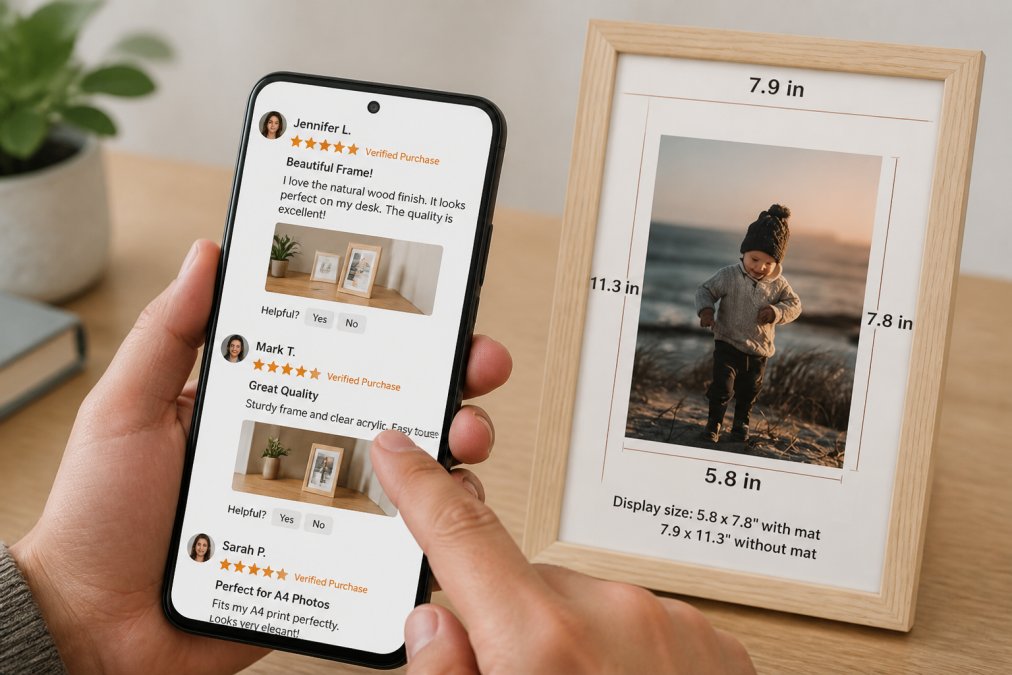
If a product has 500 five-star reviews and three one-star reviews with no middle ground, that's artificial. Real customer bases produce a bell curve distribution. Platforms that show only the highest and lowest ratings are hiding the median experience.
Verified purchase badges matter, but they're not foolproof. Cross-reference by checking reviewer history: do they have reviews on multiple products, or just this one? Reviewers with 20+ reviews across different items are more credible. If 100 five-star reviews appeared in the same week, that's coordinated activity, not organic feedback.
Authentic reviews contain casual phrasing, typos, and conversational tone. Reviews written in perfect grammar with marketing language ("This product delivers exceptional value") sound like they came from the seller's marketing team.
Verify Price History and Check for Inflated MSRP
One of the most common scams on discount sites is inflating the manufacturer's suggested retail price (MSRP) to make the discount appear larger than it actually is. A retailer might list an item's "regular price" as $80 when the actual MSRP is $35, then offer a "50% discount" to $40.
Browser extensions designed for price tracking show what an item actually cost on other platforms over the past 90 days. If a product's "regular price" hasn't been seen anywhere else in recent history, that's a fabricated anchor price. Check the manufacturer's official website for the true MSRP. If a brand-name item shows an MSRP of $25 but the discount site claims the regular price is $60, the site is using inflated anchoring.
If everything on a discount site claims to be 50% off, that's a marketing tactic, not actual inventory pricing. Real discounts vary by product category and source. Uniform discounts across all categories suggest the site is using artificial pricing rather than passing through actual wholesale savings.
TDR Shopper maintains transparent pricing across our platform. Every item shows both the regular price and the discount amount, so you can verify the actual savings. We source directly from manufacturers and distributors, which is how we deliver genuine 50% discounts without inflating baseline prices.
Analyze Product Descriptions and Specifications
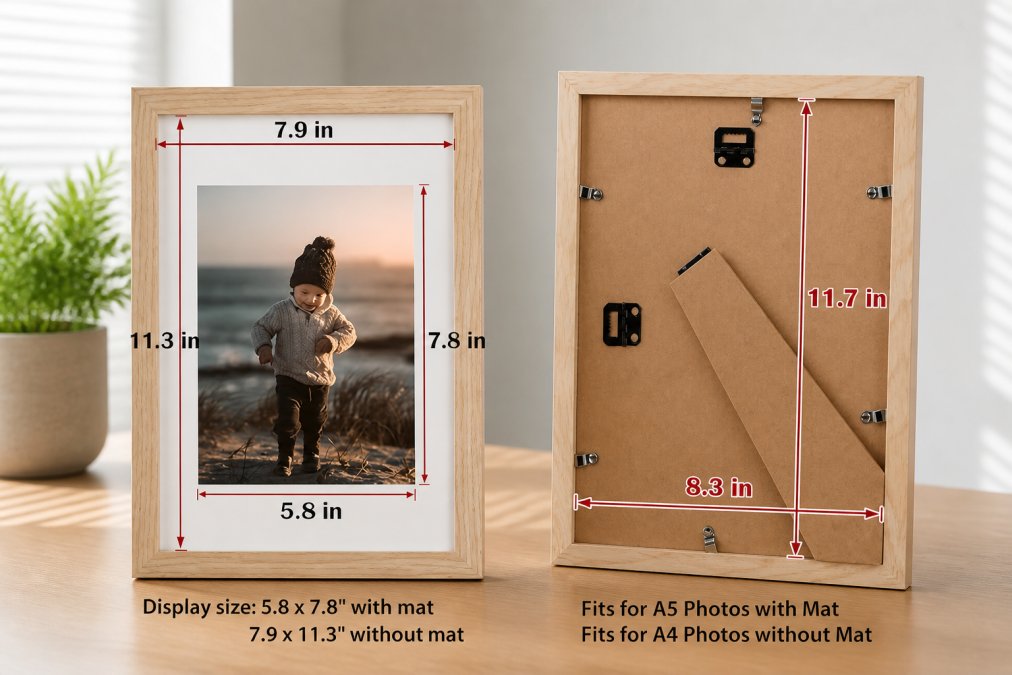
Product descriptions on discount sites often lack the detail you need to make informed decisions. Specifications should include measurements, weight, material composition, color options, and manufacturing origin. A picture frame description should tell you the frame's interior dimensions, material (wood vs. plastic), glass type (tempered vs. standard), and whether it includes mounting hardware.
Check whether specifications match product images. If the description says "solid oak wood" but the photos show a thin, plastic-looking frame, the description is misleading. Zoom in on images and look for details that confirm the written specifications.

Manufacturing origin matters for quality assessment. Products made in countries with strict manufacturing standards (Japan, Germany, Scandinavia) tend to have tighter quality control than items from regions with less regulated production.
Look for missing information as a red flag. If a clothing item doesn't specify care instructions, that's unusual and suggests the seller didn't verify the product before listing it. Complete specifications indicate a seller who has actually inspected and tested the merchandise.
How to Read Return Policies for Discount Items
Return policies on discount sites are often more restrictive than those at full-price retailers. Some discount platforms offer no returns on final-sale items, while others charge restocking fees that eat into your savings. A 50% discount becomes meaningless if you need to return the item and lose an additional 15% restocking fee.
Legitimate return policies specify timeframes clearly: "30-day returns from purchase date" or "14-day returns from delivery." Vague language like "returns accepted" without a timeframe is a warning sign. Check whether the policy covers shipping costs for returns.
Verify the condition requirements for returns. Most retailers require items to be unused and in original packaging. Some sites allow returns only if the item is defective, not if you simply changed your mind.
Check the refund timeline. A policy that says "refunds processed within 30 days of return receipt" means you'll wait 30+ days to see your money. Fast refunds (5-7 business days) indicate a retailer with efficient operations.
Document your purchase and return eligibility before buying. Take screenshots of the product description, price, and return policy. Many discount sites change policies without notice, and having documentation protects you.
Recognize Poor vs. Good Construction in Clothing
Quality construction in clothing comes down to details that photos don't always reveal. Good construction features straight, even stitching with 12-16 stitches per inch. Poor construction shows wavy seams, loose threads, or inconsistent stitch length.
Hems reveal construction quality immediately. A well-constructed hem uses a double-fold technique with hidden stitching. Poor hems are single-fold or show visible stitching on the outside. Buttonholes should be reinforced and finished cleanly. Buttons should be attached with thread that matches the fabric.
Collar and cuff construction indicates overall quality. Well-made garments have interfacing inside collars that prevents them from curling or stretching. Limp collars that flop in photos indicate missing interfacing and poor construction.
Check how pattern pieces align. Stripes should match at seams, plaids should align at intersections. Misaligned patterns suggest the garment was rushed through production. Look at hem length consistency, hems should be straight and even. The same applies to edge finishing on knits; quality garments have clean, finished edges.
Fabric weight and drape matter for perceived quality. Lightweight, thin fabrics feel cheap even if they're technically sound. Good construction combined with substantial fabric weight creates a quality perception that lasts through multiple washes.
Tips for Saving Money on Groceries and Household Essentials
The same verification principles apply to groceries and household items: check expiration dates, verify packaging integrity, and confirm product specifications. For groceries, expiration dates on discount items are sometimes closer than you'd expect, as retailers discount items nearing the end of shelf life.
Household essentials like cleaning supplies, paper products, and toiletries often appear on discount sites. Verify that you're buying the same product as the brand name version. Some discount retailers sell private-label versions that look similar but contain different formulations.
Buy in bulk only if you'll actually use the product before it expires or degrades. Calculate the per-unit cost and compare it to your regular retailers' bulk pricing. Sometimes the discount is real; sometimes you're just buying more of something that wasn't a good deal to begin with.
Check packaging for signs of damage or tampering. Sealed, intact packaging indicates the product hasn't been used or compromised.
Focus on non-perishable items for the deepest discounts. Shelf-stable goods like canned items, dry goods, and non-refrigerated household products hold their quality longer and give you more flexibility on usage timeline.
Identify Fake Discount Sites and Scams
Fake discount sites are designed to look legitimate while stealing payment information or shipping counterfeit goods. Check the domain name carefully. Scammers use domains that resemble well-known retailers: "amazn.com" instead of "amazon.com" or "walmrt.com" instead of "walmart.com."
Verify the site's security. Legitimate retailers use HTTPS encryption (look for the padlock icon in your browser's address bar). If a site accepts payment without HTTPS, do not enter your credit card information.
Check the site's contact information. Legitimate retailers provide clear contact details: physical address, phone number, and email. Scam sites often list no contact information or use fake addresses. Verify the address using Google Maps.
Look for trust badges and certifications. Legitimate retailers display third-party verification from organizations like the Better Business Bureau. Scam sites sometimes display fake badges that look official but don't actually verify anything.
Research the site's reputation before shopping. Search the domain name plus "scam" or "reviews" to see what others report. Check Better Business Bureau consumer reports for documented complaints against the retailer.
Use credit cards rather than debit cards or wire transfers. Credit card companies offer fraud protection and allow you to dispute charges if the product never arrives or doesn't match the description.
Avoid sites that pressure you to complete purchases immediately. Legitimate retailers let you take time to review products and make decisions. Sites with countdown timers ("This deal expires in 5 minutes!") are using urgency to bypass your critical thinking.
Data Quality Verification Checklist
| Verification Step | What to Look For | Red Flag |
|---|---|---|
| Material Composition | Specific fiber percentages listed (e.g., 80% cotton, 20% polyester) | Generic descriptions like "quality fabric" with no specifics |
| Customer Reviews | Specific details about product performance; varied star ratings; verified purchases | Generic praise; all 5-star reviews; no verified purchase badges |
| Price History | Consistent pricing across platforms; realistic MSRP | Inflated "regular prices"; uniform 50% discounts on everything |
| Product Specifications | Complete dimensions, weight, care instructions, origin | Missing information; vague descriptions; one-sentence product details |
| Return Policy | Clear timeframes; reasonable restocking policies; documented shipping costs | Vague language; final-sale restrictions; unclear refund timelines |
| Construction Quality | Even stitching; reinforced seams; aligned patterns; quality hems | Wavy seams; loose threads; misaligned patterns; cheap fabric |
| Site Security | HTTPS encryption; clear contact information; trust badges | No padlock icon; missing contact details; fake certifications |
| Seller Reputation | Positive third-party reviews; BBB ratings and consumer reports | Complaints about non-delivery; payment issues; counterfeit goods |
Shopping on discount sites requires the same scrutiny you'd apply to any major purchase. Verify material composition and construction quality before committing to clothing purchases. Examine customer reviews for specificity and authenticity rather than accepting five-star ratings at face value. Check price history against actual manufacturer MSRP to confirm discounts are real, not inflated baseline pricing. Read return policies completely and understand the actual cost of returning items if they don't meet expectations.
TDR Shopper makes this process easier by displaying complete product specifications, verified customer reviews, and transparent pricing on every item. Our curated selection ensures you're buying quality products at genuine 50% discounts, not clearance junk or counterfeit goods. Start shopping with confidence today and add verified quality items to your cart.
Frequently Asked Questions
Q: How can you tell if a discount website is legitimate?
A: Check for secure checkout (HTTPS), clear contact information, and a physical address. Verify the site's business registration through the Better Business Bureau. Look for established return policies, transparent shipping costs, and verified customer reviews. Avoid sites with vague company details, no customer service contact, or spelling errors throughout.
Q: What are the red flags of a low-quality discount site?
A: Watch for prices that seem unrealistically low (more than 70% off regular retail), poor product photography, no return policy or warranty information, and an absence of customer reviews. Suspicious sites often have grammatical errors, unclear shipping timelines, and no verifiable contact details. If a site offers counterfeit goods or refuses to disclose manufacturing standards, it's a major warning. TDR Shopper's 50% discount is realistic and backed by transparent product specifications.
Q: How do I spot quality on discount sites when shopping for household items?
A: Read product specifications carefully, including material composition and manufacturing standards. Check stitch density on textiles and verify that materials match the price point. Look for verified customer reviews mentioning durability and performance. Compare the MSRP against price history tools to confirm the discount is genuine. For items like picture frames, examine wood type and glass quality. TDR Shopper's curated selection includes products like the Opposite Wall 16x20 Black Solid Oak Wood Picture Frame at $18.98, made from FSC-certified oak with verified construction quality.
Q: What should I look for in customer reviews on discount platforms?
A: Seek reviews that mention specific product details like material durability, fit accuracy, and construction quality. Verified purchase badges indicate genuine buyers. Be cautious of reviews with generic praise or obvious spelling errors, which signal fake feedback. Look for a mix of positive and critical reviews; sites with only 5-star ratings are suspicious. Read recent reviews first, as product quality can change. Check how many reviews mention the same issue, which often indicates a real problem with manufacturing standards or product consistency.
This article was written using GrandRanker