

Are Discount Site Products Actually Authentic?
Table of Contents
- How to Spot Counterfeit Goods Online
- Signs of a Fake Online Store
- Verifying Discount Site Authenticity
- Red Flags in Pricing and Product Claims
- Consumer Protection Against Online Scams
- What to Do If You Suspect a Counterfeit Purchase
- Conclusion
Last Updated: August 26, 2026
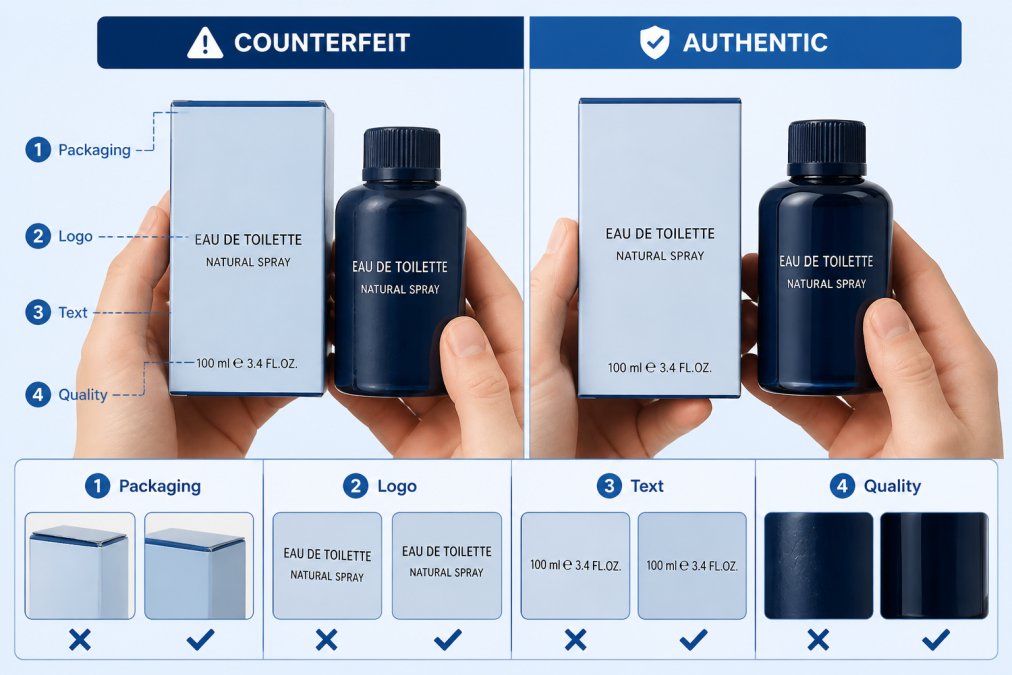
How to Spot Counterfeit Goods Online
Counterfeit products flood discount e-commerce sites, and spotting them requires examining visual and packaging cues that separate real products from fakes. Start by examining the packaging itself. Authentic products have consistent printing quality, proper alignment of logos, and crisp text. Counterfeit goods often show blurry logos, misspelled brand names, or mismatched colors. Check product labels for proper placement, consistent fonts, and correct ingredient lists, counterfeits often have off-center labels or grammatical errors.
Serial numbers and batch codes are critical verification points. Real products include properly formatted serial numbers traceable through the manufacturer's website. Counterfeit goods either lack these or use randomly generated numbers. Many major brands now use QR codes on packaging; scan them to verify authenticity through the official brand portal.
The price itself tells a story. If a discount site offers products at 70-80% below retail when legitimate retailers offer 30-40% discounts, that's a warning sign. Compare the site's pricing against official brand websites and authorized retailers to establish a realistic discount baseline.
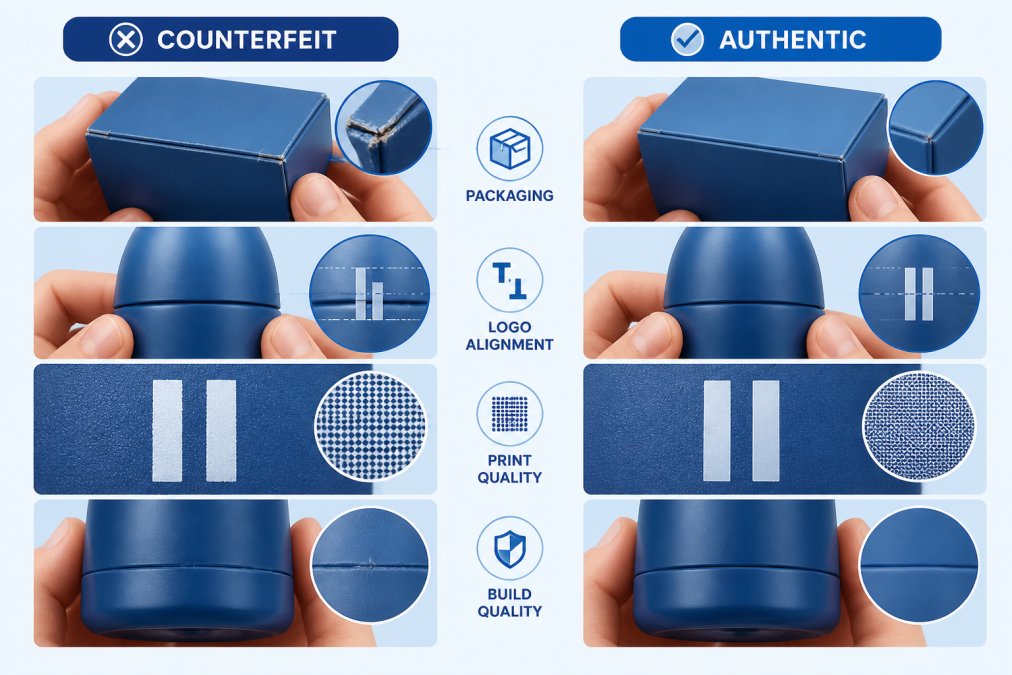
Signs of a Fake Online Store
Fraudulent online stores exhibit patterns beyond just selling counterfeits. The domain name is your first clue, scam sites frequently use URLs that mimic legitimate retailers with slight variations. Verify the exact domain by checking the official brand website directly, never by clicking links from ads or emails.
Website design quality matters significantly. Legitimate retailers invest in professional design, fast loading times, and intuitive navigation. Fake stores often have poor layout, broken links, pixelated images, and spelling errors throughout.
The checkout process reveals much about legitimacy. Legitimate stores use secure payment gateways and clearly display security certifications. Fake sites often request excessive personal information, push untraceable payment methods like wire transfers or cryptocurrency, or claim "all sales final" to prevent refunds.
Customer service accessibility is telling. Real retailers provide multiple contact methods with reasonable response times. Fraudulent sites often have no working contact information or automated responses that don't address questions. Before purchasing, test their customer service by sending a simple question.
Verifying Discount Site Authenticity
Verification requires checking multiple factors simultaneously. No single indicator proves legitimacy, but together they create a comprehensive picture of trustworthiness.
Domain Age and Business Registration
Newly created domains are a warning sign. Use WHOIS lookup tools (available free at whois.net) to check when a domain was registered. Sites registered within the last three months that claim to be established retailers warrant extra scrutiny. Legitimate businesses often use their actual company information; scammers frequently hide behind privacy protection services.
Business registration information should be publicly available. Search the company name in your state's business registry or Secretary of State database. If you can't find registration records, or if the business address doesn't match what's listed on the website, that's a red flag. Cross-reference the address using Google Maps, does a business actually operate there?
SSL Certificates and Secure Checkout
Every legitimate e-commerce site uses an SSL certificate to encrypt your data. Look for the padlock icon in your browser's address bar and verify that the URL begins with "https://" rather than "http://". Click the padlock to view certificate details; they should match the website's claimed business name and domain.
Check the Certificate Authority (CA) that issued the certificate. Reputable CAs include DigiCert, Let's Encrypt, Sectigo, and GlobalSign. If the CA name is unfamiliar or the certificate appears self-signed, treat this as a warning sign. The presence of an SSL certificate doesn't guarantee legitimacy, but its absence is a definitive warning sign.
Customer Reviews and Trust Signals
Customer reviews provide direct insight into other shoppers' experiences. Look for detailed reviews mentioning specific products, shipping times, and quality. Fake reviews tend to be vague, overly positive, or suspiciously identical. Pay attention to review dates, a site with hundreds of five-star reviews all posted within two weeks is likely fabricating feedback.
Check where reviews are hosted. Third-party platforms like Trustpilot, Google Reviews, or the Better Business Bureau carry more weight than reviews hosted only on the retailer's website. Search the company name directly on these platforms; legitimate retailers typically have a presence on at least one.
Trust badges from security companies like Norton or McAfee indicate security audits. Verify these badges by clicking them, legitimate badges link to verification pages on the security company's website. Fake badges often don't link anywhere or link to unrelated pages.
Visual Indicators of Site Cloning
Scammers frequently copy the design of legitimate retailers. Examine logos for pixelation or low-resolution compared to the official brand website. Look for mismatched fonts throughout the site; professional retailers maintain consistent typography.
Broken links are a strong indicator of a hastily constructed fake site. Click through the site's navigation, if you encounter 404 errors or pages that don't load, the site lacks maintenance standards of legitimate retailers.
Examine product images for consistency. Use reverse image search (Google Images, TinEye) to check if product photos appear elsewhere online. If the same image appears on multiple unrelated sites, those sites are likely operating a coordinated scam network.
Red Flags in Pricing and Product Claims
Legitimate discount retailers offer consistent markdowns across inventory, typically 20-50% depending on category (the FTC). Sites claiming everything is 70-90% off are likely selling counterfeits or using bait-and-switch tactics.
If a site shows the original price as dramatically higher than what any retailer actually charges, they're inflating the discount percentage. Compare claimed original prices against major retailers.
Product descriptions that are vague or suspiciously generic suggest counterfeits. Legitimate retailers provide detailed specifications, materials, dimensions, and brand information. Counterfeit sellers often copy descriptions but remove or obscure identifying details.
Claims about exclusivity should trigger skepticism. If a site claims exclusive deals on major brand products, verify this claim. Authorized retailers have agreements with brands about pricing. A small discount site claiming exclusive access to products that major retailers can't offer is likely selling unauthorized goods.
Consumer Protection Against Online Scams
Your credit card provides significant fraud protection. If you purchase from a fraudulent site using a credit card, you can dispute the charge through your card issuer. The card company will investigate and typically reverse charges for unauthorized or fraudulent transactions. This protection doesn't apply to debit cards or wire transfers.
PayPal, Apple Pay, and similar payment processors offer buyer protection programs. These services investigate claims of non-delivery or item-not-as-described and can issue refunds.
Document everything from your purchase. Save screenshots of the product listing, price, order confirmation, and communications with the seller. Take photos of the actual product received, focusing on differences from the listing or signs of counterfeiting.
State consumer protection agencies handle complaints about fraudulent retailers. File a complaint with your state's Attorney General office through The National Association of Attorneys General. While individual complaints don't always result in immediate action, patterns of complaints can trigger investigations.
What to Do If You Suspect a Counterfeit Purchase
Acting quickly increases your chances of recovering your money.
If You've Already Entered Credit Card Information
Contact your credit card issuer's fraud department immediately, the phone number is on the back of your card. Report the site as potentially fraudulent and request that your card be monitored for unauthorized charges. Most issuers can flag your account for heightened fraud detection within minutes.
Ask your card issuer if they can issue a new card number immediately. Many can generate a temporary card number or expedite a replacement card within 1-2 business days.
Check your credit report for signs of identity theft at annualcreditreport.com. Look for accounts you didn't open or inquiries from creditors you didn't contact. If you see suspicious activity, place a fraud alert by contacting one of the three major credit bureaus (Equifax, Experian, or TransUnion).
If You Received a Counterfeit Product
Take detailed photos of the product, packaging, and identifying information before contacting anyone. Capture images showing quality differences from the listing. If you have an authentic version, photograph both side-by-side to document differences. Include photos of serial numbers, batch codes, and any packaging elements that appear altered.
Contact the retailer first with your evidence. Provide a clear explanation of why you believe the product is counterfeit, include your photos, and request a refund or replacement. Keep copies of all communications.
If the retailer refuses or doesn't respond within 5-7 business days, escalate to your payment processor. Contact your credit card company, PayPal, or whatever payment method you used. Explain the situation, provide documentation, and request a dispute or chargeback. For credit cards, you typically have up to 120 days to file a dispute; for PayPal, the window is 180 days.
When filing a dispute, be specific about why the product is counterfeit. Generic claims like "item not as described" are weaker than detailed explanations with supporting photos and correspondence.
Reporting and Recovery
Report the seller to the marketplace where you made the purchase. If you bought through Amazon, eBay, or Wish, report the seller for selling counterfeit goods. These platforms can suspend sellers who repeatedly sell fakes.
Report the fraudulent retailer to the FTC at reportfraud.ftc.gov and your state's Attorney General through naag.org. While this won't directly recover your money, it helps authorities identify patterns of fraud.
If the dollar amount is significant (typically $500 or more) and the retailer is unresponsive after 30 days, consult a consumer protection attorney. Many offer free initial consultations and work on contingency for fraud cases.
Document your recovery timeline. Keep records of when you discovered the fraud, contacted the retailer, filed disputes, and reported to authorities. This timeline demonstrates that you acted reasonably and in good faith.
Frequently Asked Questions
How can you tell if a website is selling fake products?
Check for SSL certificates (look for the padlock icon in your browser), verify the domain age and business registration, and read customer reviews across multiple platforms. Examine product images for quality inconsistencies, vague descriptions, or stock photos. Authentic retailers provide detailed specifications, clear return policies, and multiple contact methods. Counterfeit sites often have poor grammar, missing contact information, and unusually low prices that seem too good to be true.
What are the signs of a fake online store?
Red flags include newly registered domains, no physical address or phone number, missing or unclear return policies, generic product descriptions, and pressure to buy immediately. Fake stores often use stolen images, have inconsistent branding, or claim to be official retailers without proper authorization. Look for missing trust badges, no customer service options, and social media accounts with few followers or engagement. Legitimate retailers invest in professional website design and provide transparent business information.
How can I protect my financial information when shopping on discount sites?
Use a credit card rather than debit cards for better fraud protection and chargeback rights. Enable two-factor authentication on your account, and never save payment details on unfamiliar sites. Verify the payment gateway is secure before entering information. Monitor your bank and credit card statements regularly for unauthorized charges. Consider using virtual card numbers if your bank offers them. Avoid clicking links from social media ads or emails; instead, visit the website directly by typing the URL in your browser.
What should I do if I receive a counterfeit product from a discount site?
Document everything with photos of the product, packaging, and serial numbers. Contact the retailer immediately with evidence and request a refund or replacement. If they don't respond within 7-10 business days, file a dispute with your credit card company or payment processor. Report the fraudulent seller to the FTC at reportfraud.ftc.gov. Keep all correspondence and tracking numbers. If the product poses safety risks, report it to the Consumer Product Safety Commission (CPSC). Consider leaving honest reviews on third-party sites to warn other shoppers.
This article was written using GrandRanker